
Trust
Legal.
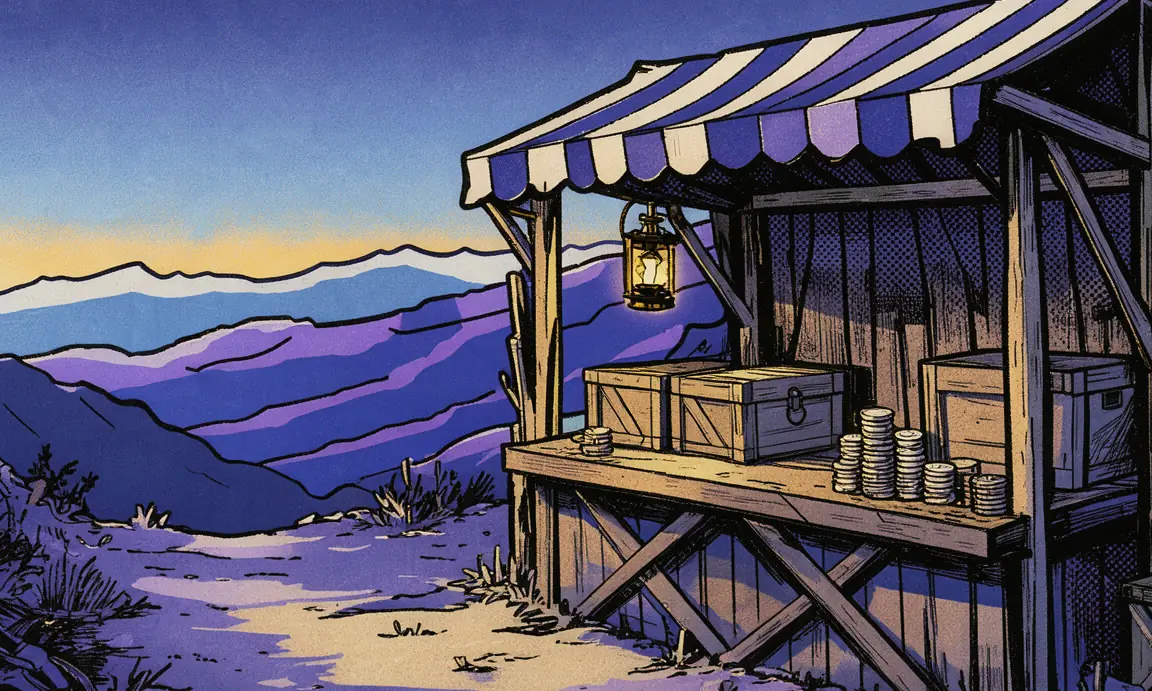
How SCRIPT//GO operates, in four pictures. The full text is below.
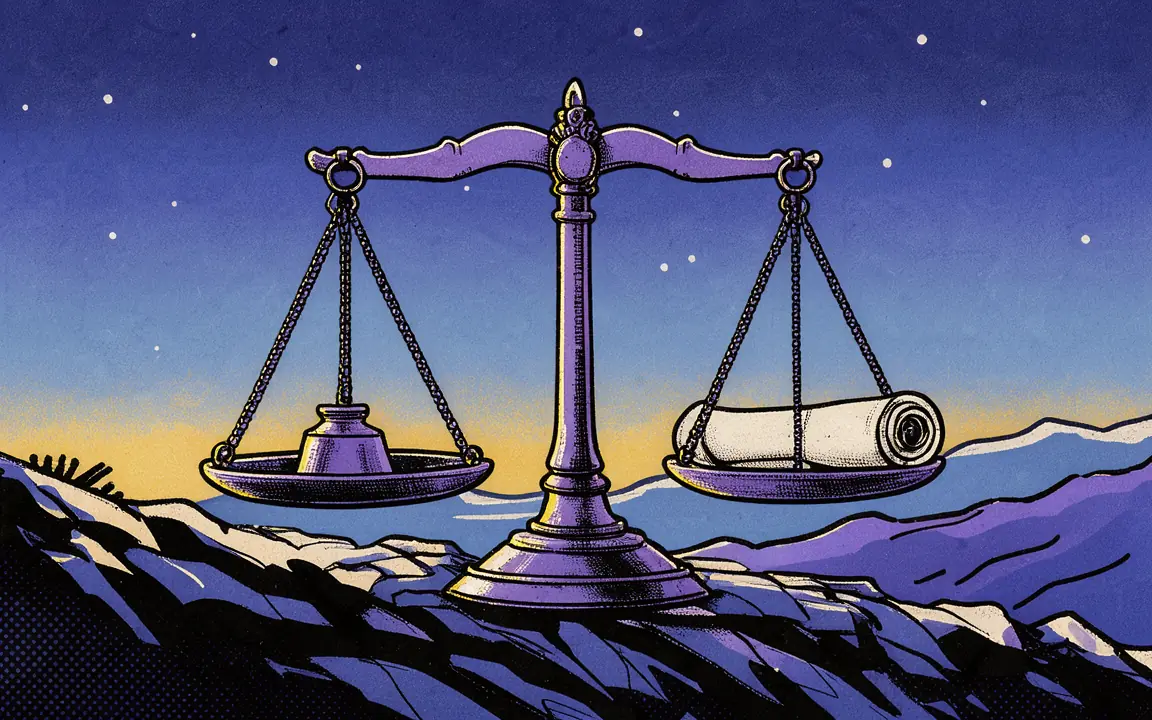
Sellers declare, and answer.
A declaration of rights puts an offer on sale. No pre-approval.
Creator agreement
Operator
Reports and requests go through the public report form.
Terms of service
In short, the terms cover:
- Accounts, access tokens and acceptable use of the registry, the API and the licensing service.
- What SCRIPT//GO hosts, validates and displays, and what it does not guarantee.
- What SCRIPT//GO is for: creator-owned work. A creator owns the scripts they wrote and the content they made for them, and may license, protect and sell them. SCRIPT//GO does not sell, ship, decrypt or redistribute any game’s own code or assets.
- Code protection as described below: deterrence and traceability, not DRM, with no promise to stop all copying.
- What a buyer may do with a licensed package: run it on the servers the licence covers. Not copy it to other servers, not remove its delivery marker, not redistribute it.
- Suspension and restriction of listings, with notices, reasons and an appeal path.
Privacy policy
What we keep, and why:
- Account data (email, display name), session cookies used for sign-in, and personal access tokens (stored hashed).
- Licensing data: deployment names, environments, adapter versions and verification times recorded when your server calls the licensing API.
- Protection data: the public key your server registers for a deployment, a record of each content-key release or refusal with its reason, and the delivery marker tied to that licence and deployment. Staff can resolve a marker found in a leaked copy to a licence and a deployment; each lookup is recorded with its reason.
- Report data: reporter contact details and evidence, shared with moderators and, where required, with the creator.
- Payment data: handled by the payment provider. SCRIPT//GO receives signed payment events, not card details.
- E-mail we send (report receipts and decisions, appeal outcomes, purchase confirmations, password resets): recipient, subject and text are kept with their delivery status, and handed to the e-mail delivery provider to send. Password reset and confirmation links are removed from our copy once delivered. Purchase e-mails never contain a license key.
- Signing in as a player: a game server that turns this on sends, for each connected player, a keyed fingerprint of their address, never the address, held in memory while they play. When you confirm a player, we keep a fingerprint of that browser's address with it, 60 days after the last confirmation and at most 5 per player, and the browser keeps a cookie for 30 days. “Forget this browser and my addresses” on the sign-in page clears both. A fingerprint is a pseudonym, not anonymity: it keeps raw addresses out of our requests, storage and logs, but whoever holds its key can test addresses against it.
IP policy
How a report is handled:
- Anyone, with or without an account, can report a package or release. You receive a case number immediately.
- A moderator reviews the claim next to a snapshot of the listing as it was when reported, including the creator’s rights declaration.
- Possible decisions: no action, restrict one release, restrict sales only, or suspend the listing. Every decision comes with a statement of reasons and can be escalated to legal review.
- Both parties are notified. The creator can appeal from their dashboard.
Creators declare that they own their code or are authorized to distribute it, list third-party assets with their licenses, and state whether the package targets a proprietary third-party game.
A game’s intellectual property is not ours to sell, and not a creator’s. A package holds what its creator wrote and made. It does not hold a game’s code, models, textures, audio, maps or other files, whether plain or encrypted. A script written for a platform built on a commercial game stays its author’s work; the game stays its publisher’s.
Sellers declare their rights and answer for what they sell. An offer with a declaration is on sale. SCRIPT//GO does not pre-approve offers or stores: it acts on reports, and can restrict, suspend or take down a listing, with a notice to its creator and a right of appeal. A script is sold as a SCRIPT//GO script that runs on the environments it declares. Where a platform’s own rights holder has a rule about paid mods, that rule is noted on the platform’s page, and whoever runs a script there answers for following it.
Encryption never shields a package from this process. A report against an encrypted release is handled like any other, and a decision applies to it in the same way.
Code protection and escrow
SCRIPT//GO offers three protections for creator-owned work: every published release is signed, a paid package checks a licence per server, and a creator may publish a release encrypted (escrow).
What we provide.
- An encrypted release is encrypted at rest and in transit.
- Its key is never shipped with the file. SCRIPT//GO holds it sealed and does not show it to anyone.
- The key is released only to a licensed server, wrapped to a key that server holds. A copy of the files on another server does not open.
- A refund, a lost payment dispute, an ended subscription or a revocation stops the next key release. A server that is already running stops when its offline grace ends.
- Releases are signed, so a modified file is detected.
- Each delivery is marked, so a leaked copy can be traced to the licence and the deployment it was delivered to.
What we do not promise.
- This is deterrence and traceability. It is not digital rights management, and SCRIPT//GO does not promise to stop all copying or theft.
- Whoever operates a machine that decrypts and runs code can inspect that machine. Defeating the protection takes real effort and leaves traces; it is not impossible.
- On a host that runs plain script, the operator can read what the host loads. There the protection is the licence check and the signature, and no code secrecy is claimed.
- SCRIPT//GO does not obfuscate code. Obfuscation is at most a speed bump.
- A delivery marker shows where a copy was delivered. It does not by itself establish who disclosed it.
- Availability of the key service is not guaranteed without interruption. The offline grace exists so that a short outage does not stop a licensed server.
What protection is for. It protects the creator’s own scripts and the content derived from them. It must not be used to hide content the creator has no right to distribute, and it never applies to a game’s own files, which do not belong in a package.
Who can read a protected release. SCRIPT//GO checks a protected release when it is uploaded, as it checks any release, and its staff can read it when a report is being reviewed: a moderation decision must rest on what the package contains. Each such access is recorded. The creator can download their own plain archive. A buyer never can.
Creator agreement
In short, the agreement covers:
- The rights declaration you make for each release, and its accuracy.
- What you warrant for each release: that you wrote the code or hold the rights to distribute and sell it; that it contains no code or assets of a game or of a third party beyond what you declared and are licensed to include; that an encrypted release holds the same kind of content you could publish in the clear; and that you may grant your buyers the licence you sell.
- Ownership stays with you. Publishing, protecting or selling a package through SCRIPT//GO transfers no ownership of your work to SCRIPT//GO, and gives you no right in the game or platform it runs on.
- For an encrypted release, SCRIPT//GO holds the content key sealed and, when it builds the bundle for you, a signing key in your name. Both are used only to deliver and verify your releases.
- Immutability of published releases: a published version can’t be changed, only deprecated or yanked.
- Your declaration of rights on each release, which is what puts an offer on sale. SCRIPT//GO does not pre-approve offers or stores; it acts on reports, with notice and appeal.
- Your relationship with your payment provider, which is yours.
Who sells, who charges, who licenses
Every purchase surface on SCRIPT//GO names three parties:
- The creator sells. They set their offers and connect their own store.
- The payment provider charges (for example Tebex). SCRIPT//GO has no partnership with, or endorsement from, any provider or engine.
- SCRIPT//GO issues the license, only after a verified, signed payment event or an audited administrative grant. Never on a browser redirect alone.
Anyone can open a shop, on their own Tebex store, and it works as soon as its Tebex configuration is complete. Real checkout opens for every shop once Tebex approves it in writing.
What is sold is always the creator’s own work: a script, or a feature of the seller’s own server script, such as a monthly pass that unlocks it. Never a game, its content, or access to it.